
12 Oct Concierge Post-Op Nursing Services: What to Expect
Table of Contents
- What Concierge Post-Op Nursing Services Actually Provide
- The Role of a Private Nurse After Surgery
- Understanding the Cost of a Private Nurse After Surgery
- Overnight Nurse After Surgery: Round-the-Clock Care Explained
- Post-Surgery Nursing Care at Home vs. Hospital Settings
- How to Choose the Right Concierge Nursing Provider
- Common Questions About Concierge Post-Op Nursing
- Frequently Asked Questions
Last Updated: October 12, 2026
What Concierge Post-Op Nursing Services Actually Provide
Concierge post-op nursing services deliver personalized, one-on-one care designed specifically for patients recovering from surgery. Unlike traditional hospital discharge or basic home care, these services prioritize comfort, safety, and preventive monitoring during the critical healing phase.
A concierge post-op nursing model assigns a dedicated, certified nurse to your recovery. This nurse handles wound care, medication management, vital sign monitoring, and symptom tracking. The goal is straightforward: catch complications early and keep you comfortable while your body heals.
What sets concierge care apart is the attention to detail. Your nurse isn’t managing five patients at once. They’re focused entirely on your needs. This matters because early detection of infection, excessive swelling, or other warning signs can prevent emergency room visits and more serious complications down the line.
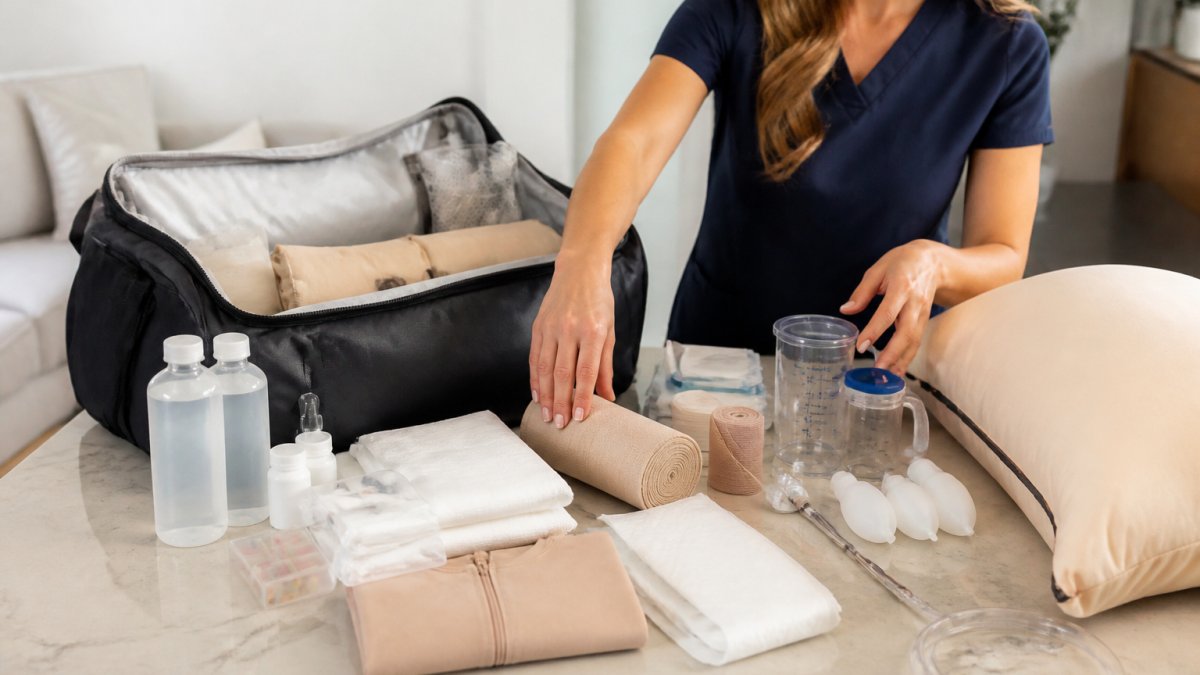
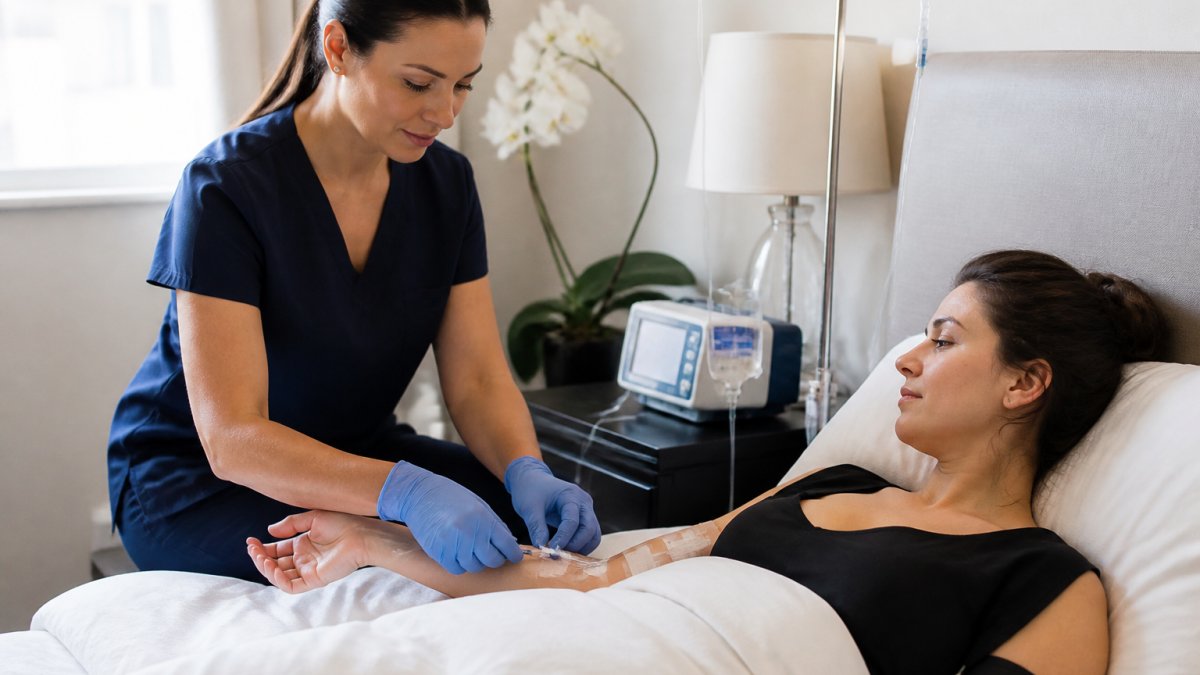
Services typically include post-operative wound assessment, IV hydration management, pain monitoring, medication administration, and coordination with your surgical team. Many providers also offer safe transportation from your surgical facility to home or hotel, which eliminates the stress of arranging rides while you’re still under anesthesia’s effects.
The American Nurses Association emphasizes that specialized post-operative care improves patient outcomes and satisfaction. At Better U Recovery, we understand that the days immediately following surgery set the tone for your entire healing journey.
The Role of a Private Nurse After Surgery
A private nurse after surgery functions as your personal healthcare advocate during recovery. Their primary responsibility is monitoring your physical condition and responding quickly to any changes that might signal a problem.
Your nurse performs regular vital sign checks, tracks fluid intake and output, manages pain levels, and observes your surgical site for signs of infection or improper healing. They also assist with mobility as you gradually increase activity, help with hygiene and personal care, and ensure you’re taking medications on schedule and as prescribed.
Beyond the clinical tasks, a private nurse provides reassurance. Recovery can feel isolating, especially if you live alone or have limited family support. Having a trained professional present who understands what’s normal and what warrants concern reduces anxiety significantly.
The nurse also serves as a bridge between you and your surgeon. They document your recovery progress, report any concerns to your surgical team, and adjust care plans based on how you’re healing. This communication is critical because your surgeon needs accurate information to determine whether you’re progressing as expected or need additional intervention.
Better U Recovery’s nursing staff are BLS and ACLS certified, meaning they’re trained to handle emergencies and provide advanced care if needed. This training is essential because while most recoveries proceed smoothly, having someone equipped to respond to complications can be lifesaving.
Understanding the Cost of a Private Nurse After Surgery
The cost of a private nurse after surgery depends on several factors: the type of surgery, the intensity of care needed, the duration of service, and your location. Rather than guessing, you should request a personalized quote based on your specific situation.
Factors that influence pricing include whether you need 24-hour coverage or daytime-only visits, the complexity of your post-operative care plan, and how many days or weeks you’ll require nursing support. Some patients need intensive care for just a few days. Others benefit from ongoing support for several weeks.
Insurance coverage varies. Some health insurance plans cover skilled nursing care at home, particularly if your surgery was medically necessary rather than elective. Cosmetic procedures, however, are typically not covered by insurance. If your procedure isn’t covered, you’ll pay out of pocket. For specific pricing and coverage questions, contact Better U Recovery directly to discuss your needs and get an accurate estimate.
Think of concierge post-op nursing as an investment in your recovery quality and safety. The cost of preventing one emergency room visit or complication often exceeds the cost of the nursing service itself.
Overnight Nurse After Surgery: Round-the-Clock Care Explained
An overnight nurse after surgery provides continuous monitoring while you sleep, when complications are often hardest to detect on your own. This 24-hour coverage model ensures someone is present if pain intensifies, bleeding increases, or any other concern arises during the night.
Round-the-clock care means your nurse is available at all hours. You don’t have to worry about whether a symptom is serious enough to call someone or wait until morning. If something feels wrong at 3 AM, your nurse is there to assess and respond immediately.
The overnight component is particularly valuable during the first 48 to 72 hours after surgery, when your body is still managing anesthesia effects and the surgical trauma is most acute. Your nurse monitors your breathing, checks your incision, manages pain medication, and watches for signs of infection or other complications.
Many patients find that having a nurse present overnight dramatically improves their sleep quality. They can rest knowing someone trained is watching over them. This peace of mind itself accelerates recovery because stress and anxiety slow healing.
Better U Recovery offers flexible coverage options. Some patients need full 24-hour care for several days, then transition to daytime visits. Others arrange overnight coverage for the first week, then manage independently afterward. Your care plan can be customized to match your actual recovery needs rather than forcing you into a one-size-fits-all package.
Post-Surgery Nursing Care at Home vs. Hospital Settings
Recovering at home with professional nursing support offers distinct advantages over extended hospital stays. Hospitals are designed for acute medical crises, not comfort. Your home environment supports healing in ways hospitals cannot.
At home, you control your environment. You sleep in your own bed, eat food you choose, and maintain your normal routines as much as possible. This familiarity reduces stress, which directly benefits recovery. Hospital environments, while medically necessary in some cases, introduce noise, disruption, and the psychological weight of being in an institutional setting.
A private nurse in your home provides the same clinical monitoring as a hospital nurse but with personalized attention. You’re not one of many patients competing for staff time. Your nurse focuses entirely on your needs and your recovery trajectory.
Hospital-acquired infections are a real risk. According to the CDC’s data on healthcare-associated infections, thousands of patients contract infections during hospital stays. Recovering at home with a private nurse eliminates this exposure while providing the same level of clinical oversight.
Cost considerations also favor home recovery with private nursing. Hospital stays are expensive. Home-based concierge nursing, while an investment, typically costs less than extended inpatient care while delivering superior comfort and personalized attention.
The transition from hospital to home is also smoother with a private nurse present. Your nurse can monitor how you’re adjusting, catch any post-discharge complications early, and communicate directly with your surgical team if concerns arise.
How to Choose the Right Concierge Nursing Provider
Selecting a concierge post-op nursing provider requires evaluating several key factors. Start with credentials. Your nurse should be a registered nurse (RN) with BLS and ACLS certification. These certifications indicate they’ve completed rigorous training and can handle emergencies.
Ask about experience. Nurses with backgrounds in trauma, ICU, PACU (post-anesthesia care unit), or medical-surgical nursing understand post-operative recovery thoroughly. They’ve seen complications and know how to respond. Experience in cosmetic surgery recovery specifically is valuable because the care needs differ from general surgery.
Request references or testimonials from previous patients. Real feedback from people who’ve used the service reveals what to expect. Look for patterns in what patients say about professionalism, responsiveness, and clinical knowledge.
Evaluate the provider’s communication approach. How do they coordinate with your surgeon? Do they provide daily updates? Can you reach them with questions? Clear communication between your nurse, your surgeon, and you is essential for safe recovery.
Consider flexibility. Can they adjust your care plan as you heal? Can you start with 24-hour coverage and scale back to daytime visits? A provider willing to customize care to your actual needs is more valuable than one offering only fixed packages.
Better U Recovery prioritizes all these factors. Our team brings years of specialized experience, maintains current certifications, and tailors care plans to each patient’s unique recovery needs. We coordinate directly with your surgical team and provide transparent communication throughout your healing journey.
Common Questions About Concierge Post-Op Nursing
Do I really need a private nurse if my surgery was minor?
Recovery needs vary by individual and procedure type. Even minor procedures can involve complications if you’re alone or have limited support. A private nurse provides peace of mind and early intervention capabilities. Whether you need one depends on your specific situation, your support system, and your surgeon’s recommendations. Discuss your recovery plan with your surgical team.
What happens if something goes wrong at night?
Your nurse is trained to assess and respond to most complications. They can contact your surgeon immediately if needed, arrange emergency transport if necessary, or call 911 if the situation warrants it. The goal is to prevent emergencies by catching problems early. Having a trained professional present at night significantly reduces the likelihood that a minor issue becomes a crisis.
How long does post-op nursing care typically last?
Duration depends on your procedure, your healing progress, and your individual circumstances. Some patients need intensive care for a few days. Others benefit from support for several weeks. Your care plan should be based on your actual recovery needs, not a predetermined timeline. Better U Recovery works with you and your surgeon to determine the right duration for your situation.
Can I afford this if my surgery isn’t covered by insurance?
Concierge post-op nursing is an investment in your recovery quality and safety. For specific pricing information tailored to your needs, contact Better U Recovery directly. Many patients find that preventing one complication justifies the cost. Some providers also offer flexible payment arrangements.
How do I know your nurses are actually qualified?
Verify credentials directly. Ask for proof of RN licensure, BLS certification, and ACLS certification. Request information about the nurse’s experience in post-operative care. Better U Recovery’s team includes BLS/ACLS certified professionals with extensive backgrounds in trauma, ICU, PACU, and medical-surgical nursing. We’re transparent about our qualifications because your safety depends on clinical competence.
Choosing the right recovery support after surgery shapes your entire healing experience. The difference between managing recovery alone and having a trained professional present is substantial. Our BLS/ACLS certified nurses bring years of specialized experience and provide round-the-clock care tailored to your needs. The American College of Surgeons emphasizes that post-operative care quality directly impacts both immediate recovery and long-term outcomes.
Frequently Asked Questions
What does a concierge post-op nurse actually do during recovery?
A concierge post-op nurse provides personalized 1:1 monitoring and care tailored to your specific surgical procedure. This includes tracking vital signs, managing pain and medication schedules, assisting with mobility and wound care, administering IV hydration, and identifying potential complications early. The nurse also coordinates with your surgeon and ensures you follow post-operative instructions, significantly reducing the risk of complications that might otherwise require emergency room visits.
How long do I need a private nurse after surgery?
Recovery duration depends on the type and extent of your procedure. Most cosmetic surgery patients benefit from 24-hour care for the first few days to one week, with many choosing to scale back to daytime or overnight coverage as they progress. Your surgeon and nursing team will recommend a personalized timeline based on your healing progress, mobility level, and ability to manage independently. Many patients find that starting with intensive care and gradually reducing hours provides the best balance of safety and independence.
Is concierge post-op nursing covered by insurance?
Most private concierge nursing services are not covered by standard health insurance, as they are considered elective premium care rather than medically necessary post-operative care. You typically pay out of pocket for these services. However, you should check with your insurance provider and ask your surgeon’s office whether any portion of post-operative nursing support might qualify for coverage. Some patients find that the cost of preventing complications and emergency room visits actually provides significant value compared to potential medical expenses.
What qualifications should I verify when hiring a private nurse for post-surgery care?
Look for nurses who hold current BLS and ACLS certifications, as these demonstrate they can respond to medical emergencies. Verify their nursing license through your state’s nursing board, and ask about their experience in post-operative care, trauma, ICU, or surgical recovery settings. Request references from previous patients and confirm their familiarity with your specific type of surgery. A qualified provider should be transparent about their credentials, training, and ability to handle complications or escalate care when needed.
Sorry, the comment form is closed at this time.