

12 Oct Signs of Complications After Cosmetic Surgery
Table of Contents
- Understanding Postoperative Complications and Recovery
- Signs of Infection After Plastic Surgery
- Blood Clot Symptoms After Surgery
- Normal Swelling After Plastic Surgery vs. Concerning Swelling
- Bleeding, Hematoma, and Bruising After Cosmetic Surgery
- Wound Healing Problems and Wound Separation
- When to Call Your Surgeon After Surgery
- What to Do While Seeking Care
- Frequently Asked Questions
Last Updated: October 11, 2026
Understanding Postoperative Complications and Recovery
Recognizing signs of complications after cosmetic surgery is crucial for your safety and healing. Most patients recover smoothly, but knowing what to watch for helps you catch problems early.
The first two weeks after surgery are critical. This is when most complications appear. Your body is healing, and some swelling, bruising, and discomfort are normal. But certain warning signs demand immediate attention.
Better U Recovery helps patients navigate this recovery period with confidence. Our BLS/ACLS certified nurses monitor your healing around the clock, catching warning signs before they become serious problems.
This guide explains what’s normal and what requires urgent care.
Signs of Infection After Plastic Surgery
Infection is one of the most serious complications after cosmetic surgery. Recognizing early warning signs lets you get treatment before the infection spreads.
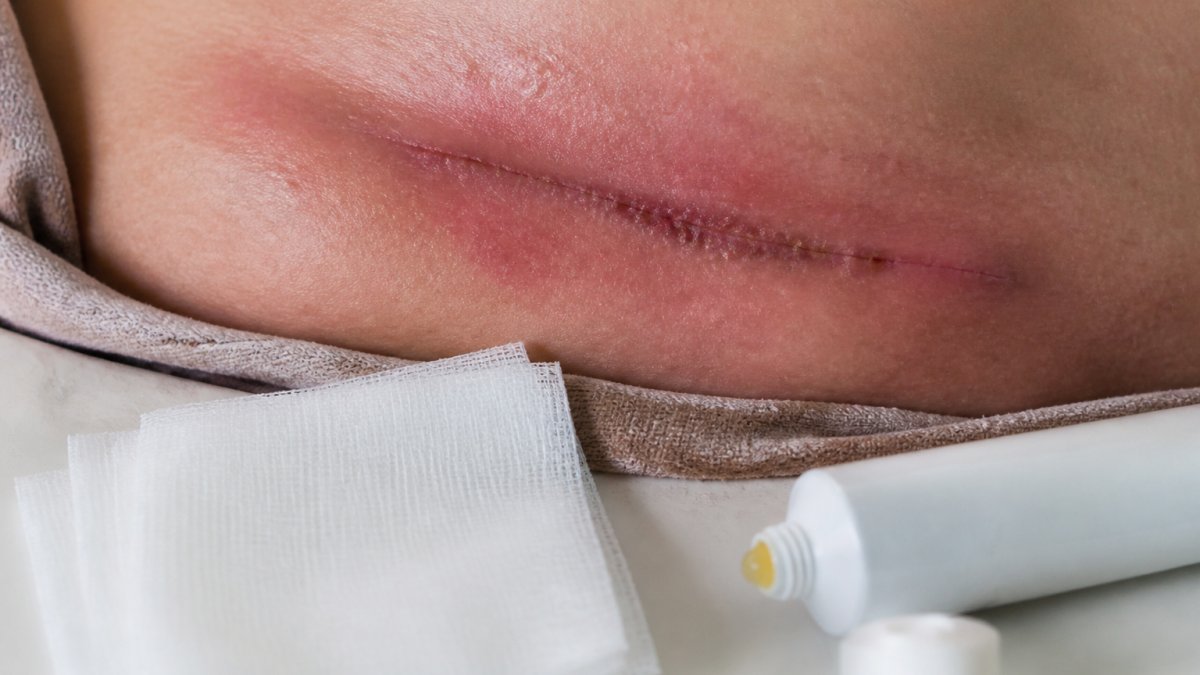
Early infection indicators
Early infection signs appear within the first 3-7 days after surgery. Catch these, and your surgeon can treat the problem with antibiotics.
Watch for these early warning signs:
- Increasing redness around the incision that spreads outward
- Warmth to the touch at the surgical site
- Pus or thick, yellow drainage (clear or light pink drainage is normal)
- Swelling that worsens after day 3-4
- Tenderness that increases instead of improving
- A foul or unpleasant odor from the wound
Temperature matters too. A low-grade fever (99-101°F) in the first 48 hours is common. But a fever above 101°F after day 2, or any fever that returns, signals infection.
Many patients worry they’re being overly cautious. Don’t be. Early intervention prevents serious complications. Call your surgeon immediately if you notice any of these signs.
Severe infection warning signs
Severe infection develops quickly and demands emergency care. Don’t wait for an appointment if you experience these symptoms.
Seek emergency care if you have:
- High fever (above 102°F)
- Severe pain that pain medication doesn’t control
- Red streaks extending from the incision
- Swelling so severe it affects your breathing or vision
- Chills or body aches
- Nausea or vomiting
- Confusion or difficulty concentrating
Severe infection can progress to sepsis, a life-threatening condition where infection enters your bloodstream. This is rare, but it’s why early recognition matters. According to CDC guidelines on surgical site infections, prompt treatment within hours can prevent serious complications.
Blood Clot Symptoms After Surgery
Blood clots form when blood pools in your legs during recovery. Most clots dissolve on their own, but some can travel to your lungs and become life-threatening.
Deep vein thrombosis signs
Deep vein thrombosis (DVT) occurs when a clot forms in a leg vein. Symptoms usually appear 3-10 days after surgery.
Warning signs of DVT include:
- Swelling in one leg (much more than the other side)
- Calf pain or tenderness, especially when walking or flexing your foot
- Warmth or redness in the affected leg
- Skin that feels tight or shiny over the swollen area
- A cord-like vein that’s tender to touch
DVT affects one leg much more than the other. If both legs are equally swollen, that’s usually normal post-op swelling. The key difference is the one-sided pattern.
Movement prevents clots. Walk around your home regularly, even if it’s uncomfortable. Compression stockings help too. Better U Recovery patients benefit from our nursing team’s guidance on safe movement during recovery.
Pulmonary embolism warning signs
A pulmonary embolism (PE) happens when a clot travels to your lungs. This is a medical emergency.
Call 911 immediately if you experience:
- Sudden shortness of breath
- Chest pain or pressure
- Rapid heartbeat
- Coughing up blood
- Dizziness or fainting
- Severe anxiety or sense of doom
PE symptoms can appear suddenly, even days after surgery. Don’t assume chest pain is just surgical discomfort. Trust your instincts. If something feels seriously wrong, seek emergency care.
Risk factors for clots include prolonged immobility, smoking, obesity, and certain medications. Your surgeon will discuss your personal risk during pre-op consultations. American College of Surgeons guidance on venous thromboembolism prevention recommends early mobilization and compression as standard prevention strategies.
Normal Swelling After Plastic Surgery vs. Concerning Swelling
Swelling peaks around day 3-5 after surgery. This is your body’s normal inflammatory response. But you need to distinguish normal swelling from swelling that signals a problem.
Normal swelling:
- Appears symmetrical (both sides match)
- Decreases gradually each day after the peak
- Responds to elevation and ice
- Doesn’t affect your ability to breathe or see
- Accompanied by normal bruising
Concerning swelling:
- Appears on only one side
- Worsens instead of improving
- Feels hard, tight, or painful
- Affects your eyes, airway, or ability to function
- Accompanied by fever or drainage
Fluid buildup (seroma) can cause swelling that feels different from normal post-op puffiness. A seroma feels like a water balloon under the skin, soft, moveable, and sometimes warm.
Hematoma (blood collection) feels firm and tender. It usually appears darker purple or blue and may expand in the first 24-48 hours.
The difference between normal and concerning swelling often comes down to pattern and progression. Normal swelling improves daily. Concerning swelling stalls or worsens.
Bleeding, Hematoma, and Bruising After Cosmetic Surgery
Bleeding during the first 24 hours is common. Some oozing from incisions is expected. But excessive bleeding demands immediate attention.
Normal bleeding signs:
- Light oozing that stops with gentle pressure
- Blood-tinged drainage on bandages
- Gradual decrease over the first 48 hours
- Bruising that appears within hours and darkens over days
Excessive bleeding warning signs:
- Soaking through multiple bandages quickly
- Bleeding that doesn’t slow with direct pressure
- Sudden gushing of blood
- Blood pooling under the skin that expands rapidly
- Dizziness or lightheadedness
Bruising is normal and fades over 2-4 weeks. Early bruising appears purple or blue. It transitions to green, then yellow as your body breaks down the blood. This color progression is completely normal.
Hematoma is different from bruising. While bruising is blood spread through tissue, hematoma is a collection of blood in one area. Small hematomas look like dark bruises.
Most bruising and hematoma resolve without treatment. Ice in the first 48 hours reduces swelling. After 48 hours, heat promotes healing. Arnica supplements may help, though evidence is mixed.
Wound Healing Problems and Wound Separation
Proper wound healing follows a predictable timeline. Incisions should show signs of closing within the first week. Delayed healing or separation signals a problem.
Normal wound healing:
- Incision edges stay together
- Minimal drainage after day 2-3
- Redness decreases daily
- Scab forms and gradually falls away
- No gap between wound edges
Wound healing problems:
- Incision edges pull apart (dehiscence)
- Persistent drainage after day 5
- Increasing redness or warmth
- Foul odor from the wound
- Tissue protruding from the incision
Wound separation happens when incision edges separate before healing is complete. This can result from infection, excessive tension, or poor wound care. Early separation may close on its own with proper care.
Factors that slow healing include smoking, poor nutrition, diabetes, and certain medications. Steroids and blood thinners increase bleeding and slow closure.
Follow your surgeon’s wound care instructions exactly. Keep incisions clean and dry. Use prescribed ointments. Wear compression garments as directed. Avoid strenuous activity that strains the incision.
When to Call Your Surgeon After Surgery
Knowing when to call versus when to seek emergency care helps you respond appropriately. Your surgeon expects to hear from you, that’s part of their job.
Call your surgeon during business hours for:
- Increasing pain not controlled by medication
- Mild fever (99-101°F) lasting more than 48 hours
- Increasing redness or warmth at the incision
- Light drainage that doesn’t improve by day 5
- Swelling that isn’t improving by day 7
- Numbness or tingling that concerns you
- Questions about activity restrictions or wound care
- Concerns about your appearance or healing progress
Your surgeon’s office usually has an on-call system. Don’t hesitate to use it for after-hours concerns. Better U Recovery patients have an additional advantage, our nurses can assess your symptoms and help determine urgency.
Seek emergency care (call 911 or go to the ER) for:
- Difficulty breathing or chest pain
- Uncontrolled bleeding
- Signs of severe infection (high fever, chills, confusion)
- Sudden severe pain
- Loss of consciousness
- Signs of blood clots (calf swelling, shortness of breath)
- Allergic reactions (hives, swelling of face/throat)
When you call your surgeon, have these details ready:
- Exact temperature (if fever)
- When symptoms started
- What you’ve tried (ice, elevation, medication)
- Any changes to the incision appearance
- Your current activity level
Clear communication helps your surgeon assess the situation accurately. Describe what you’re observing, not what you think it means. “The incision is red and warm” is more helpful than “I think it’s infected.”
What to Do While Seeking Care
If you suspect a complication, taking the right steps while getting help matters. Don’t wait passively, take action to prevent the problem from worsening.
For suspected infection:
- Stop any activity and rest
- Take your temperature every 2-4 hours
- Keep the area clean and dry
- Don’t apply heat (heat spreads infection)
- Document your symptoms and timeline
- Contact your surgeon or seek emergency care
For suspected bleeding:
- Apply direct, firm pressure with clean gauze
- Maintain pressure for 10-15 minutes without checking
- Elevate the area above your heart
- Avoid movement that strains the incision
- Call your surgeon immediately
- Seek emergency care if bleeding doesn’t stop
For suspected blood clots:
- Stop all activity immediately
- Don’t massage the affected area
- Elevate your leg if DVT is suspected
- Call 911 or go to the ER for PE symptoms
- Have someone drive you (don’t drive yourself)
- Inform medical staff of your recent surgery
For wound separation:
- Don’t attempt to close it yourself
- Keep the area clean and covered
- Avoid pulling on the edges
- Apply gentle pressure with sterile gauze if bleeding
- Contact your surgeon immediately
- Most separations need professional assessment
Having a support system during recovery prevents delays in care.
Documentation helps too. Keep a recovery journal noting temperature, drainage, swelling, and pain levels. Include dates and times.
| Complication Type | Early Warning Signs | When to Call Surgeon | When to Seek Emergency Care |
|---|---|---|---|
| Infection | Increasing redness, warmth, pus drainage | Fever above 101°F, worsening redness | High fever (102°F+), severe pain, red streaks |
| Blood Clots | One-sided calf swelling, tenderness | Calf pain lasting 3+ days | Shortness of breath, chest pain, coughing blood |
| Excessive Swelling | Swelling worsens after day 5 | Swelling affecting function | Swelling affecting breathing or vision |
| Bleeding | Soaking through bandages slowly | Bleeding not stopping with pressure | Gushing blood, dizziness, rapid heartbeat |
| Wound Separation | Incision edges pulling apart | Separation with drainage | Large separation, uncontrolled bleeding |
| Fever | Temperature 99-101°F | Fever above 101°F lasting 48+ hours | Fever above 102°F with other symptoms |
Recovery from cosmetic surgery requires vigilance, but most patients heal without serious complications.
Better U Recovery bridges the gap between your surgeon’s office and your home recovery.
Your recovery deserves expert attention and compassionate care. American Society of Plastic Surgeons guidelines on post-operative care emphasizes the importance of proper monitoring during the critical healing period.
Contact Better U Recovery to learn how our personalized nursing care can support your recovery journey and provide the peace of mind you deserve.
Frequently Asked Questions
What are the most common signs of complications after cosmetic surgery?
The most common signs of complications after cosmetic surgery include excessive redness, warmth, or drainage at the incision site; fever above 101°F; severe or worsening pain; unusual swelling that doesn’t improve after the first week; and signs of infection such as pus or foul-smelling discharge. Blood clots may cause calf pain, leg swelling, or chest pain. Any of these warrants immediate contact with your surgeon or emergency care if symptoms are severe.
How can I tell if swelling after plastic surgery is normal or a sign of a problem?
Normal swelling after plastic surgery peaks within the first 48 to 72 hours and gradually decreases over weeks. It should be symmetrical and responsive to ice and elevation. Concerning swelling that worsens after day 3, is asymmetrical, or is accompanied by redness, warmth, or pain may indicate a seroma, hematoma, or infection. If swelling doesn’t improve with home care or is accompanied by fever or drainage, contact your surgeon.
When should I go to the emergency room versus calling my surgeon’s office?
Seek emergency care immediately for chest pain, shortness of breath, signs of severe infection (fever above 103°F with chills), uncontrolled bleeding, or signs of a blood clot such as severe leg swelling or calf pain. Call your surgeon’s office for fever, increasing redness or drainage, wound separation, or persistent pain. Your surgeon can assess whether you need in-person evaluation or emergency care.
What does a blood clot feel like after cosmetic surgery?
A blood clot in the leg (deep vein thrombosis) typically causes calf pain, swelling, warmth, and redness on one side. A blood clot in the lung (pulmonary embolism) causes sudden chest pain, shortness of breath, and rapid heartbeat. Both are medical emergencies. Call 911 or go to the emergency room immediately if you experience these symptoms, as early treatment is critical.
No Comments