



11 Oct How to Prepare Home for Surgery: Recovery Checklist
Table of Contents
- Why Home Preparation Directly Affects Your Recovery
- How to Prepare a Bedroom for Surgery Recovery
- Home Safety After Surgery: Removing Hazards Room by Room
- Surgery Recovery Supplies Checklist: What to Stock Before You Leave
- Caregiver Checklist After Surgery: Roles, Backup Plans, and Discharge Logistics
- Adapting Your Preparation by Procedure and Mobility Level
- How to Prepare Home for Surgery: A Step-by-Step Walkthrough
- Conclusion: Turning Preparation Into Peace of Mind
- Frequently Asked Questions
Last Updated: October 9, 2026
Why Home Preparation Directly Affects Your Recovery
Learning how to prepare home for surgery is one of the most practical steps you can take before your procedure. A safe, organized space lowers your risk of falls and infections while you heal.
Most people focus on the surgeon and the operating room. They spend far less time on the weeks that follow. That’s a mistake.
Recovery at home involves limited movement, wound care, and medication schedules. According to the Agency for Healthcare Research and Quality guide to preventing falls, most falls happen in the home, and recovery periods raise that risk.
So plan before surgery day. This guide walks you through each room, the supplies to stock, and how caregivers fit in.
The goal of home preparation is simple: reduce effort, reduce risk, and make every daily task reachable without strain.
How to Prepare a Bedroom for Surgery Recovery
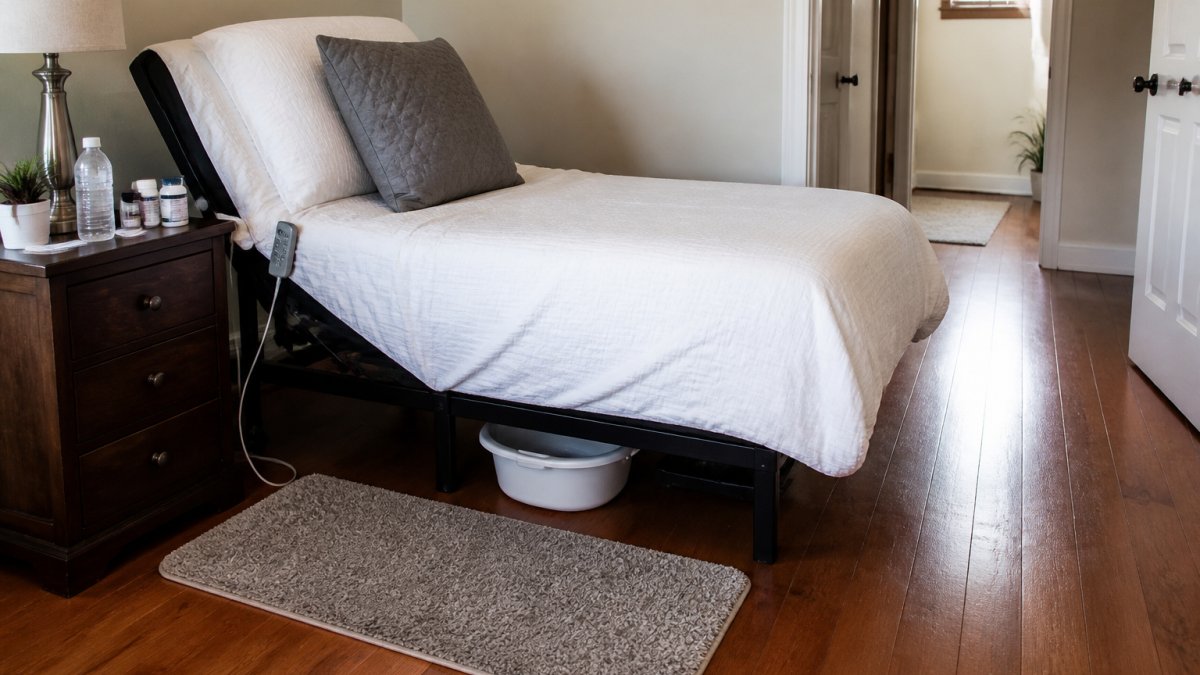
A surgery recovery bedroom is set up so you can rest, take medications, and reach essentials without standing or stretching. The best room sits on the main living level, close to a bathroom and away from stairs.
Most people default to their upstairs bedroom. That’s usually the wrong call. After many procedures, climbing stairs is limited for days or weeks.
Choosing the Right Room and Bed Setup
Pick a main-floor room with a short, clear path to the bathroom and kitchen.
For the bed itself:
- Use a firm mattress with extra pillows for propping up
- Keep the head of the bed near an outlet for chargers
- Place a sturdy nightstand on your stronger side
If your surgeon recommends a hospital bed or recliner, arrange it before surgery day. Delivery and setup take time.
Setting Up a Recovery Area on the Main Living Level
Your recovery area is where you’ll spend most waking hours. Set it up like a command center.
Keep these within arm’s reach:
- Water and easy snacks
- All medications and a written schedule
- Phone, charger, and a call list
Home Safety After Surgery: Removing Hazards Room by Room
Home safety after surgery means removing anything that could trip, slip, or strain you. Walk through each room before your procedure and fix problems in advance.
Start with the floors. Loose rugs and cords are the biggest culprits.
- Remove throw rugs or tape them down
- Run electrical cords along walls, not across walkways
- Clear clutter from hallways and doorways
Then check your reach. Move everyday items to waist height. You should not climb or bend for anything.
A single fall after surgery can reopen an incision or cause a setback that lands you in the emergency room. Clear the floors before you come home, not after.
Bathroom Modifications That Prevent Falls
The bathroom is the highest-risk room in the house, small, hard, and often wet. Plan bathroom safety before surgery day.
Key changes:
- Add grab bars near the toilet and in the shower
- Use a shower seat and a handheld sprayer
- Place a non-slip mat inside and outside the tub
- Set up an elevated toilet seat if bending is limited
Your surgeon’s instructions will tell you when you can shower or bathe and how to keep the incision clean and dry. Follow them exactly.
Surgery Recovery Supplies Checklist: What to Stock Before You Leave
A surgery recovery supplies checklist is a written list of everything you’ll need at home so you’re not scrambling after discharge. Stock it at least a week before your procedure and keep it visible so a caregiver can restock without guessing.
Here’s a practical starter list:
- Prescription medications, filled in advance
- Over-the-counter pain relief approved by your surgeon
- Gauze, bandages, and medical tape
- Antiseptic and gloves for wound care
Medication Reconciliation and Safe Storage
Medication mistakes are common after surgery; pain, fatigue, and multiple prescriptions make it easy to double up or skip a dose. Before surgery day, do a full medication reconciliation, one written list of every prescription, over-the-counter drug, vitamin, and herbal supplement you take, with dose and timing.
Once you’re home, set up a simple system:
- Write a daily schedule with times and doses, and post it where you take your medicine
- Use a pill organizer with day and night slots, and fill it once a week
- Keep a running list of everything you take, including anything a caregiver gives you
- Store medications in one clear, reachable spot, not in a low cabinet or on a high shelf
Refill a pill organizer at the same time each week so a missed dose is obvious. If a dose is missed, call your surgeon’s office or pharmacist rather than doubling up.
Wound Care Supplies and Equipment Sourcing
For wound care, keep supplies together in one tray: gauze, tape, antiseptic, gloves, and a plastic bag for old dressings. Change dressings on schedule and watch for signs of infection, such as redness, swelling, warmth, drainage, or fever.
Equipment is where many people get stuck. Walkers, shower seats, raised toilet seats, and grab bars are available through a medical equipment supplier, pharmacy, or home health agency.
Take a photo of your medication list and your surgeon’s after-hours phone number and save both to your phone. If you’re too tired to explain your situation, you can hand the phone to a caregiver or read it to a dispatcher.
Caregiver Checklist After Surgery: Roles, Backup Plans, and Discharge Logistics
A caregiver checklist after surgery spells out who helps you, when, and what they do. Even if you live alone, line up at least one backup before your procedure. The goal is to remove decisions from the first 48 hours, when pain and anesthesia make thinking clearly hard.
Caregivers typically handle:
- Transportation home from the facility
- Medication reminders and refills
- Meal prep and light housekeeping
- Wound care support
Discharge-Day Logistics
Discharge day moves fast, and you may sign papers and receive instructions while groggy. Plan ahead:
- Confirm who is driving you home and that the vehicle has room for any equipment, pillows, and a support person if needed
- Ask whether the facility requires a responsible adult to be present at discharge; many do, and some will not release a patient who is alone
- Have your caregiver present for the discharge instructions, or ask for written instructions you can take home
- Ask specifically about follow-up visits, warning signs, activity limits, and who to call at night or on weekends
Patients often remember only part of what they were told. Ask the nurse to write down the top three warning signs and the after-hours phone number, and keep that paper on the fridge or by the bed.
Backup Plans and Emergency Escalation
A single caregiver can get sick, travel, or burn out. Build a small roster instead:
- Primary caregiver for the first 48 hours
- Backup caregiver for the next several days
- A neighbor, friend, or family member who can check in by phone
- A paid option, such as a home health aide or a nursing service, if no one is available
Write down who to call for what: routine questions go to the surgeon’s office during business hours; urgent symptoms go to the after-hours line or 911. Keep emergency contacts, your pharmacy, and insurance information in one place.
Call your surgeon or seek emergency care for warning signs such as chest pain, shortness of breath, difficulty breathing, a fever, heavy bleeding, a wound that is opening, redness or drainage that is worsening, calf pain or swelling, or a sudden inability to urinate.
Do not wait until you feel worse to call for help. Early symptoms are easier to treat, and a quick call can prevent a return trip to the hospital.
Ask your surgeon’s office for written discharge instructions and keep them on the fridge. In the first 48 hours, you’ll forget half of what you were told in person.
Adapting Your Preparation by Procedure and Mobility Level
Preparation is not one-size-fits-all. A minor procedure and a major one need different setups. Your mobility level matters just as much.
Use this guide:
| Your Situation | Key Focus | Extra Steps |
|---|---|---|
| Minor procedure, good mobility | Basic comfort setup | Stock supplies, arrange a ride |
| Major procedure, limited mobility | Full safety setup | Grab bars, shower seat, hospital bed |
| Living alone | Backup plan | Daily check-ins, on-call helper |
| With pets or kids | Hazard control | Gates, cleared paths, quiet zones |
If you use a walker or wheelchair, widen paths and remove thresholds where you can.
This is where professional support changes the picture. Better U Recovery provides round-the-clock 1:1 nursing care from BLS/ACLS certified nurses for people recovering from cosmetic surgery.
How to Prepare Home for Surgery: A Step-by-Step Walkthrough
Here is the full process in order, so nothing gets missed.
- Two weeks out: Pick your recovery room on the main level. Order any equipment you need.
- Ten days out: Walk each room and remove trip hazards. Install grab bars and a shower seat.
- One week out: Stock your supplies checklist. Fill prescriptions early.
- Three days out: Set up your medication schedule. Confirm your ride home.
- One day out: Prep easy meals. Charge devices. Put your call list by the bed.
- Discharge day: Have your caregiver present for instructions. Go straight to your recovery area.
- First week home: Follow wound care and medication rules. Keep movement gentle. Watch for warning signs.
MedlinePlus guide to recovering after surgery notes that following your doctor’s instructions on movement, wound care, and medications is central to avoiding complications.
Conclusion: Turning Preparation Into Peace of Mind
Recovering from surgery at home asks a lot of you, even when the procedure goes well. The right setup removes daily strain and lowers your risk of setbacks.
If you want that handled for you, Better U Recovery offers personalized care plans, 24/7 nursing support, and safe transportation from surgery.
Get started with Better U Recovery and recover with confidence.
Frequently Asked Questions
How do I prepare my home before surgery?
Start at least a week ahead. Set up a recovery area on the main living level with a comfortable bed, phone charger, water, and medications within arm’s reach. Remove throw rugs and electrical cords from walkways, add nightlights, and install bathroom aids like a shower seat and elevated toilet. Stock easy-to-prepare food, fill prescriptions early, and arrange transportation home plus a caregiver for the first 24 to 48 hours. Walk through each room and imagine navigating it with limited mobility.
What should I have at home after surgery?
Your surgery recovery supplies checklist should include prescribed pain medication, stool softeners, bandages and wound care items, a thermometer, hand sanitizer, loose comfortable clothing, slip-on shoes, a reacher or grabber tool, a long-handled sponge, and a spill-proof water bottle. Stock canned soups, frozen meals, crackers, and electrolyte drinks so you are not cooking on day one. Keep your surgeon’s and pharmacy’s phone numbers written down, not just saved in your phone, in case you need help quickly.
How can I make my home safer after surgery?
Home safety after surgery centers on fall prevention. Remove or tape down throw rugs, route electrical cords along walls, and clear clutter from hallways and stairs. Add nightlights in the bedroom, bathroom, and hallway. Install grab bars in the shower, use a non-slip bath mat, and consider a shower chair. If stairs are unavoidable, limit trips by setting up your recovery area on the main level. Keep a charged cell phone on your person at all times so you can call for help without getting up.
Should someone stay with me after surgery?
Yes, plan for a responsible adult to stay with you for at least the first 24 hours, and longer if your surgeon recommends it. A caregiver can monitor for complications, help with medications, assist with bathroom trips, and call for help if something goes wrong. If you live alone, arrange for a friend, family member, or professional recovery nurse to check in. A caregiver checklist after surgery should include emergency contacts, medication schedules, and clear instructions on when to call the doctor or go to the ER.
No Comments