
18 Oct Post-Surgery Recovery Nursing Care Benefits
Table of Contents
- What Post-Surgery Recovery Nursing Care Involves
- How Nursing Care Prevents Complications After Cosmetic Surgery
- Key Elements of a Post-Surgery Care Checklist
- Understanding Your Post-Surgery Recovery Timeline
- The Difference Between Skilled Nursing, Home Health Aides, and Nonmedical Caregivers
- How to Choose and Prepare for a Post-Surgery Nurse
- Insurance, Eligibility, and Out-of-Pocket Costs for Post-Surgery Nursing
- Why Professional Post-Surgery Recovery Nursing Care Matters
- Frequently Asked Questions
Last Updated: October 18, 2026
What Post-Surgery Recovery Nursing Care Involves
Post-surgery recovery nursing care is specialized medical support provided by certified nurses during the critical healing period after your procedure. This care goes far beyond basic assistance. It includes wound monitoring, medication management, pain control, and mobility support, all delivered by trained professionals who understand post-operative needs. (Source: the Centers for Medicare & Medicaid Services (CMS))
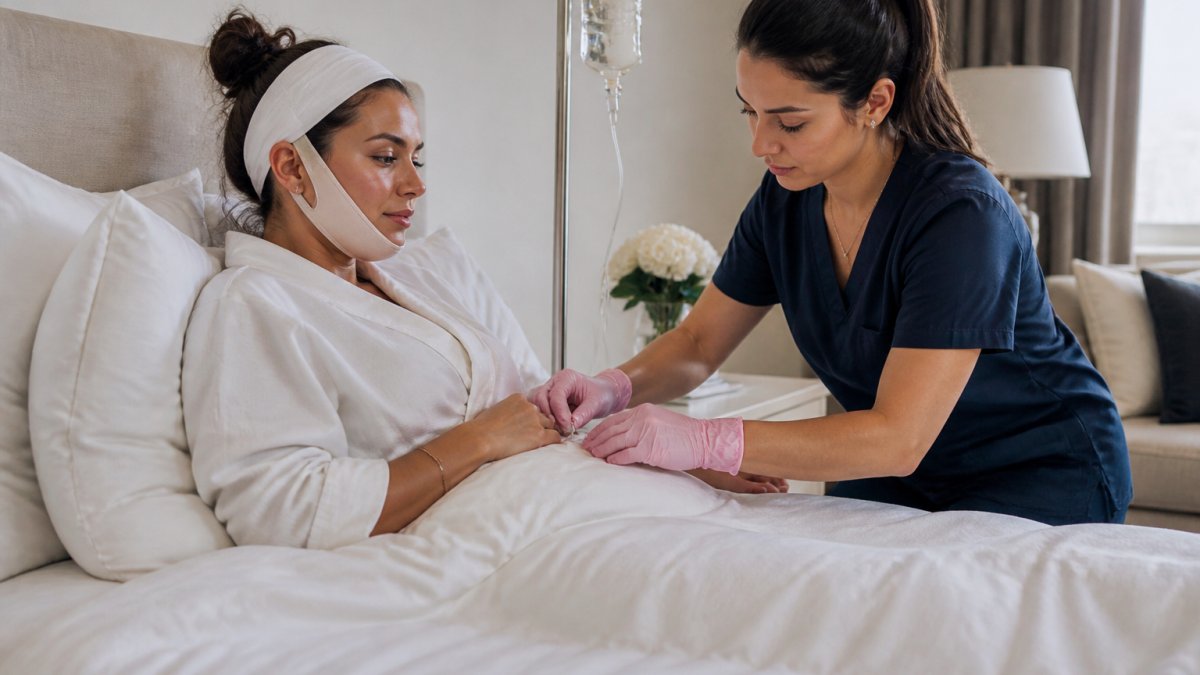
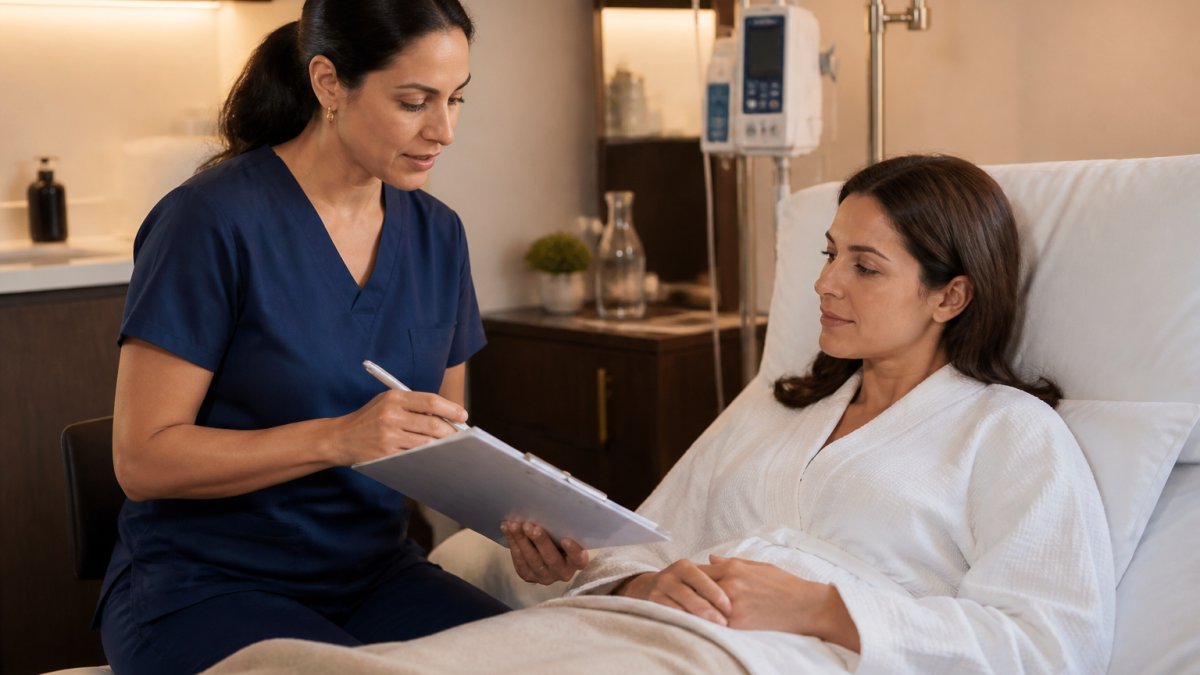
At Better U Recovery, we provide round-the-clock 1:1 nursing care from BLS/ACLS certified staff specifically trained in post-operative recovery. Our nurses handle wound assessments, IV hydration, medication reminders, and safe transfers. They’re with you when complications are most likely to occur, during nights, early mornings, and those first fragile days when your body is healing fastest.
The difference between managing recovery alone and having professional post-surgery recovery nursing care is stark. A nurse catches infection signs before they become emergencies. She ensures you take medications on schedule. She prevents falls and helps you move safely. She monitors your symptoms and knows exactly when to escalate care.
Most people underestimate how much support they actually need in the first 48-72 hours after surgery. This is when complications are most likely to develop and when professional oversight can help prevent unwarranted emergency room visits.
How Nursing Care Prevents Complications After Cosmetic Surgery
Wound complications are the leading reason cosmetic surgery patients end up in emergency rooms. Infection, poor drainage, or improper healing can derail months of recovery. Professional nursing care catches these problems early.
A trained nurse performs daily wound assessments. She looks for redness, warmth, swelling, or unusual discharge. She changes dressings using sterile technique. She knows the difference between normal post-op swelling and signs of infection.
Medication errors cause another wave of preventable complications. Patients miss doses, take wrong amounts, or mix incompatible medications. A nurse manages your entire medication schedule. She ensures you take pain medication before pain becomes severe. She prevents nausea by timing anti-nausea medications correctly.
Pain that spirals out of control leads to immobility, which leads to blood clots and pneumonia. Professional post-surgery recovery nursing care keeps pain managed within your comfort range. This allows you to move, breathe deeply, and participate in your own healing.
Patients who skip professional support may experience delays in their recovery. Prevention can be more efficient than treatment.
Key Elements of a Post-Surgery Care Checklist
Every successful recovery follows a structured plan. Here’s what should be monitored and managed:
Wound Care & Monitoring
- Daily visual inspection for signs of infection
- Sterile dressing changes at appropriate intervals
- Drainage tracking and documentation
- Suture or staple site assessment
- Signs of complications: increasing redness, warmth, pus, or foul odor
Medication Management
- Scheduled pain medication administration
- Anti-nausea medication timing
- Antibiotic compliance if prescribed
- Blood pressure or other medication monitoring
- Tracking side effects and reporting them to your surgeon
Symptom Tracking
- Pain levels at rest and with movement
- Nausea, vomiting, or appetite changes
- Fever or chills
- Unusual swelling or bruising
- Chest pain, shortness of breath, or leg swelling
Mobility & Safety
- Assisted transfers from bed to chair
- Safe walking with proper support
- Fall prevention measures
- Positioning to prevent pressure sores
- Range of motion exercises as cleared by your surgeon
Hydration & Nutrition
- Fluid intake monitoring
- Meal preparation and assistance
- Nutritional support for healing
- Addressing nausea that prevents eating
- Tracking bowel function
Personal Care Assistance
- Bathing and grooming support
- Dressing assistance
- Bathroom safety and assistance
- Laundry and light housekeeping
- Dignity and privacy maintained throughout
A comprehensive post-surgery care checklist ensures nothing falls through the cracks. Better U Recovery nurses work from detailed care plans tailored to your specific procedure and surgeon’s protocols.
Understanding Your Post-Surgery Recovery Timeline
Recovery isn’t one continuous phase. It unfolds in distinct stages, each with different needs and risks.
Days 1-3: Acute Phase
This is when complications are most likely. Your body is still under anesthesia’s effects. Pain is typically highest. Nausea, dizziness, and confusion are common.
Days 4-7: Early Recovery Phase
Acute symptoms begin improving. You’re more alert. Pain starts declining. Movement becomes easier. But infection risk is still present. Wound healing is fragile.
Weeks 2-3: Intermediate Phase
You’re noticeably better. You can handle more self-care. But you’re not ready to be alone yet. Fatigue sets in. Some patients experience delayed swelling or bruising. Complications can still emerge.
Weeks 4-6: Late Recovery Phase
Most healing is complete. You’re managing most activities independently. Professional nursing care winds down. Your surgeon clears you for normal activities gradually.
Understanding these phases helps you know what to expect and when professional support matters most. The first 72 hours are often a critical period for post-surgery recovery nursing care.
The Difference Between Skilled Nursing, Home Health Aides, and Nonmedical Caregivers
Not all in-home support is equal. Understanding the differences helps you choose the right level of care.
Skilled Nursing Care
Skilled nurses are registered nurses (RN) or licensed practical nurses (LPN) with medical training. Better U Recovery’s BLS/ACLS certified nurses provide this level of care, they’re equipped to handle medical emergencies and can provide IV hydration, medication management, and clinical monitoring. (Source: the Agency for Healthcare Research and Quality (AHRQ))
Home Health Aides
Home health aides assist with activities of daily living: bathing, dressing, grooming, toileting, and meal preparation. They provide personal care support but cannot perform clinical tasks. They cannot give medications or assess wounds. They’re supervised by a nurse but don’t provide nursing care themselves.
Nonmedical Caregivers
Family members, friends, or hired companions provide emotional support and basic assistance. They can help with meals, transportation, and companionship. They cannot provide clinical care. They often lack training in infection prevention, medication management, or complication recognition. They mean well but aren’t equipped for medical emergencies.
For post-surgery recovery, skilled nursing care is the gold standard. Your body is healing from a medical procedure. You need someone who can recognize problems, manage medications, and act quickly if complications develop. This is exactly what professional post-surgery recovery nursing care provides.
Choose skilled nursing for the first 1-2 weeks after surgery. Transition to home health aides for weeks 3-6 if needed. Family support complements professional care but cannot replace it.
How to Choose and Prepare for a Post-Surgery Nurse
Selecting the right nurse and preparing properly sets the tone for your entire recovery.
What to Look For
- BLS/ACLS certification (required for medical emergencies)
- Experience specifically in post-operative recovery
- Familiarity with your type of procedure
- References from other post-surgery patients
- Professional demeanor and compassionate communication
- Availability for round-the-clock coverage if needed
Questions to Ask
- How long have you worked in post-operative recovery?
- What procedures have you supported?
- How do you handle medication management?
- What’s your process for recognizing complications?
- How do you communicate with surgeons and physicians?
- What’s your experience with IV therapy or other specialized care?
Preparation Before Surgery
- Share your care plan with your nurse before surgery day
- Discuss your surgeon’s specific protocols
- Arrange your recovery space: comfortable bed, easy bathroom access, phone nearby
- Stock medications, supplies, and easy-to-prepare foods beforehand
- Provide your nurse with your surgeon’s contact information
- Clarify insurance coverage and payment arrangements
On Surgery Day
- Ensure your nurse meets you at discharge or recovery facility
- Have your surgeon review post-op instructions with both you and your nurse
- Provide written medication lists and timing
- Confirm follow-up appointment dates
- Establish clear communication channels for questions
During Recovery
- Follow your nurse’s guidance on medications and activity
- Report all symptoms, no complaint is too small
- Ask questions if instructions aren’t clear
- Trust professional expertise over online advice
- Maintain regular contact with your surgeon
Better U Recovery nurses handle all this coordination. We meet you at discharge, receive detailed surgeon protocols, and provide seamless care from day one. Our team prioritizes your safety, comfort, and dignity throughout your recovery.
Insurance, Eligibility, and Out-of-Pocket Costs for Post-Surgery Nursing
Coverage for post-surgery recovery nursing varies significantly based on your insurance plan, procedure type, and medical necessity.
Insurance Coverage
Medicare may cover skilled nursing care when medically necessary and ordered by a physician (Skilled Nursing Facility Services). Coverage typically includes wound care, medication management, and medical monitoring.
Private insurance plans vary widely. Some cover post-operative nursing care as part of surgical benefits. Others require pre-authorization. Many have limits on days covered or require care in specific settings.
Medicaid coverage depends on your state. Some states may cover in-home nursing care for post-operative recovery, while others may not. Your state’s Medicaid office can clarify eligibility.
Out-of-Pocket Costs
If insurance doesn’t cover the full cost, you’ll pay the difference out of pocket. Costs vary based on:
- Nursing credentials and experience
- Hours of care needed
- Complexity of medical needs
- Geographic location
- Concierge level of service
Premium services like Better U Recovery’s 1:1 dedicated nursing care offer specialized expertise, round-the-clock availability, and luxury-level support. Many patients view this as an investment in preventing complications and optimizing healing.
Questions to Ask Your Insurance
- Is post-operative nursing care covered under my plan?
- What medical necessity documentation is required?
- How many days or visits are covered?
- What’s my out-of-pocket maximum?
- Do I need pre-authorization from my surgeon?
- Are there specific providers or agencies covered?
Don’t assume you understand your coverage. Call your insurance company with your procedure code and ask specifically about post-surgery nursing care. Get answers in writing.
Why Professional Post-Surgery Recovery Nursing Care Matters
Your cosmetic surgery represents a significant investment, in time, money, and your appearance. The recovery phase determines whether you get the results you paid for and whether you experience complications that undermine everything.
Professional post-surgery recovery nursing care protects that investment. It prevents infections that scar tissue. It manages pain so you can move and heal properly. It catches complications before they become emergencies. It provides peace of mind during a vulnerable time.
Patients with professional nursing support often report higher satisfaction with their recovery. Professional nursing support can also help prevent unwarranted emergency room visits.
At Better U Recovery, we understand that cosmetic surgery is personal. You’re investing in yourself. You deserve recovery support that matches that commitment. Our BLS/ACLS certified nurses provide round-the-clock 1:1 care, IV hydration, safe transportation from surgery, and custom care plans designed specifically for your procedure and your needs.
Your recovery matters. Professional nursing care ensures it goes as smoothly as possible.
Frequently Asked Questions
What are the main benefits of having a professional nurse during post-surgery recovery?
Professional post-surgery recovery nursing care provides continuous monitoring for complications, manages pain and medications on schedule, assists with mobility and personal care, and coordinates with your surgeon. Nurses with BLS/ACLS certification can respond to emergencies immediately rather than waiting for emergency services. This reduces hospital readmissions and allows you to heal in a familiar, comfortable environment while receiving expert care tailored to your specific procedure.
What warning signs after cosmetic surgery need immediate medical attention?
Seek immediate medical attention for fever above 101°F, excessive bleeding or drainage from incisions, signs of infection (increasing redness, warmth, or pus), severe pain uncontrolled by medication, difficulty breathing, chest pain, signs of blood clots (calf swelling or warmth), or allergic reactions. A trained recovery nurse monitors for these signs continuously and knows when escalation is necessary, preventing delays that could worsen complications.
How long should you have nursing care after cosmetic surgery?
The duration depends on your specific procedure, overall health, and recovery progress. Minor procedures may require 24-48 hours of care, while more extensive surgeries often benefit from 1-2 weeks or longer. Your surgeon and recovery nurse will develop a customized timeline. Many patients find that having nursing support during the first week, when pain is highest and complications are most likely, provides the greatest benefit and peace of mind.
Does insurance cover private post-surgery nursing care?
Coverage varies significantly by insurance plan and the type of surgery. Some plans cover skilled nursing when medically necessary, while others do not cover elective cosmetic surgery recovery. Contact your insurance provider directly with your procedure details and surgeon’s recommendations. Many patients find that private nursing care provides peace of mind and can help prevent unwarranted emergency room visits.
Ready to experience a truly comfortable and luxurious recovery? Better U Recovery’s personalized nursing services are designed specifically for cosmetic surgery patients. Our dedicated team provides round-the-clock professional care, medical expertise, and compassionate support to ensure optimal healing and peace of mind. Contact us today to discuss your post-surgery recovery plan and learn how Better U Recovery can support your healing journey with the expertise and attention you deserve.
Sorry, the comment form is closed at this time.