
24 Oct Post Op Care for Plastic Surgery: Complete Recovery Guide
Last Updated: October 23, 2026
Quick Summary
Post op care plastic surgery is the structured recovery process that begins immediately after your procedure and extends through the first weeks of healing. Recovery varies by procedure and how well you follow your surgeon’s post-operative instructions, with the first 24-48 hours being the most critical phase when surgical sites are most vulnerable.
- The first 24-48 hours after surgery are the most critical phase when your body responds to anesthesia and surgical sites are most vulnerable.
- Swelling and bruising typically peak around day three or four before subsiding, which is normal and doesn’t indicate a problem.
- Most patients can return to light daily tasks by week three, though full recovery and final aesthetic results may take several months.
- Back sleeping is almost always recommended after cosmetic surgery to prevent pressure on incisions and reduce swelling.
- Contact your surgeon immediately if you experience fever above 101°F, increasing redness around incisions, pus or foul-smelling drainage, or severe pain not controlled by medication.
Table of Contents
- What to Expect: Your Post Op Care Timeline After Plastic Surgery
- The First 24-48 Hours: Critical Post Op Care Steps
- Plastic Surgery Wound Care: Keeping Your Incisions Clean and Dry
- Preparing for Plastic Surgery Recovery at Home
- Your Post-Surgery Caregiver: Essential Support During Recovery
- Activity Restrictions and Gradual Return to Normal Activities
- Red Flags: When to Contact Your Surgeon Immediately
- Nutrition, Hydration, and Supporting Your Healing
- Frequently Asked Questions
What to Expect: Your Post Op Care Timeline After Plastic Surgery
Post op care plastic surgery is the structured recovery process that begins immediately after your procedure and extends through the first weeks of healing.
The first 24-48 hours are the most critical phase: your body is responding to anesthesia and surgical sites are most vulnerable.
The first two weeks mark the transition phase: incisions begin initial healing and you’ll gradually increase activity as your surgeon clears you. Weeks three through six involve continued tissue healing and a steady return to normal activities.
Most patients can return to light daily tasks by week three, though full recovery and final aesthetic results may take several months.
The First 24-48 Hours: Critical Post Op Care Steps
The first 24-48 hours after surgery determine much of your recovery trajectory. During this window, your surgical sites are healing, anesthesia is leaving your system, and your body is managing swelling and pain.
Most surgeons recommend staying in a reclined or semi-reclined position during this period, with movement minimal and gentle. This is when professional support makes the biggest difference, someone who understands post-operative needs can monitor your comfort, manage medications, and watch for concerns.
Pain Management and Prescribed Medications
Pain after surgery is expected and manageable with prescribed medication. Take medications exactly as prescribed, not when pain becomes severe, this keeps pain levels consistent and prevents the cycle of waiting until you’re uncomfortable.
Common post-op pain medications include opioids for the first few days, transitioning to over-the-counter options as healing progresses.
Never combine medications without checking with your surgeon or pharmacist first, some over-the-counter pain relievers interact with post-operative medications or increase bleeding risk. Your surgeon’s office should provide a complete list of what’s safe to take.
If pain suddenly increases after improving, or if you develop sharp, localized pain that doesn’t respond to medication, contact your surgeon immediately. This can signal a complication that needs prompt attention.
Rest and Sleep Positioning
Sleep positioning is critical during the first 24-48 hours and continues to matter for weeks.
Proper pillow support makes back sleeping comfortable. Most surgeons recommend extra pillows to elevate your head and support your arms, which reduces swelling and eases breathing.
Sleep is when your body does its most intensive healing work, so aim for as much quality sleep as possible during the first week. If pain prevents sleep, discuss it with your surgeon, they may adjust your pain medication timing.
Cold Compresses and Swelling Management
Cold compresses are one of the most effective tools for managing swelling and bruising in the first 24-48 hours.
Ice is most beneficial in the first 48 hours. After that, many surgeons recommend transitioning to heat, though this varies by procedure, your surgeon will specify the timeline.
Swelling peaks around day three or four, which is normal. Elevation combined with cold compresses accelerates reduction, keep the surgical area above heart level when possible so gravity helps fluid drain away from incisions.
Plastic Surgery Wound Care: Keeping Your Incisions Clean and Dry
Proper incision care is fundamental to preventing infection and supporting optimal healing. Follow your surgeon’s wound care instructions exactly, they’re customized to your surgical sites and closure method.
Keep incisions clean and dry as your primary rule. Most surgeons recommend gentle cleansing with mild soap and water once initial dressings are removed, pat dry gently, never rub. Use only the cleansing solutions your surgeon specifies.
Watch for signs of infection: increasing redness, warmth, pus, or foul odor at incision sites. Minor oozing or slight redness immediately after surgery is normal.
Keep a small notebook during the first week and document your observations of incisions daily, appearance, any drainage, healing progress. This helps you notice changes and communicate clearly with your surgeon if concerns arise.
Dressing Changes and Compression Garments
Your surgeon will instruct you on when and how to change dressings, some procedures use dissolvable dressings, others need manual changes.
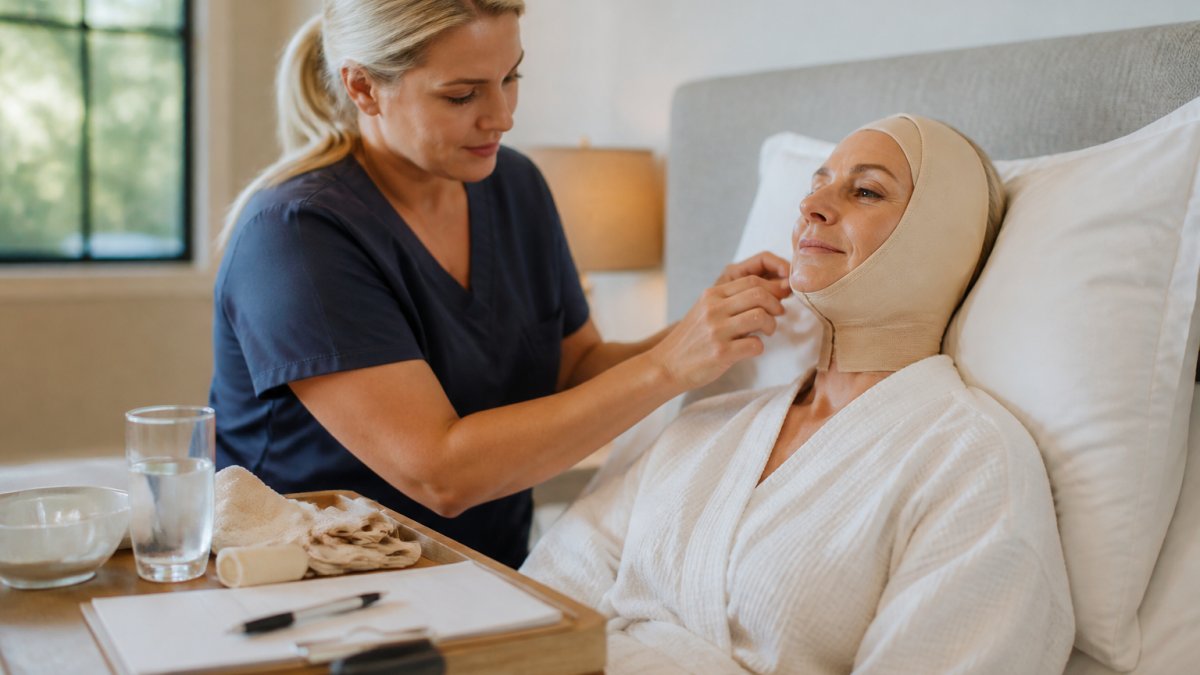
Compression garments reduce swelling, support healing tissue, and minimize bruising. Wear them for the duration your surgeon recommends, typically several weeks. They should feel snug but not painfully tight, if they cut off circulation or cause numbness, contact your surgeon.
Hand-wash compression garments regularly and have at least two so one can be washed while you wear the other. Wearing them over a thin layer of fabric can reduce skin irritation.
Preparing for Plastic Surgery Recovery at Home
Preparation before surgery directly impacts how smoothly recovery unfolds. The better you prepare your environment and stock supplies, the easier the first weeks become, many patients underestimate the value of advance planning.
What to Stock Before Surgery
Stock your home with essentials before surgery, you won’t want to shop during early recovery. Create a recovery station in the area where you’ll spend most time, typically your bedroom or a comfortable living space.
Essential supplies include prescribed medications, pain relievers, antibiotic ointment, sterile gauze, ice packs, extra pillows, compression garments, loose clothing, entertainment, and easy-to-prepare food. Stock your freezer with reheatable meals, prioritizing protein-rich foods that support healing.
Keep your surgeon’s contact information and after-hours emergency details easily accessible, plus a notepad to track medications, pain levels, and incision observations.
The single biggest preparation mistake is underestimating how much rest you’ll need. Clear your calendar completely for at least the first week, and ideally two weeks. Work emails and household decisions can wait.
Creating a Recovery-Friendly Environment
Your recovery space should be comfortable, accessible, and designed to minimize movement. Set up everything you might need within arm’s reach, water, snacks, medications, phone, remote controls, tissues. This reduces unnecessary walking and strain.
Keep your recovery area at a comfortable temperature, since being too cold or too hot increases stress on your body.
Arrange for someone to handle household tasks during at least the first week, cooking, cleaning, laundry, and yard work should be off your plate entirely.
Your Post-Surgery Caregiver: Essential Support During Recovery
A dedicated caregiver during the first week transforms recovery: they manage medications, monitor your comfort, watch for complications, and handle household needs.
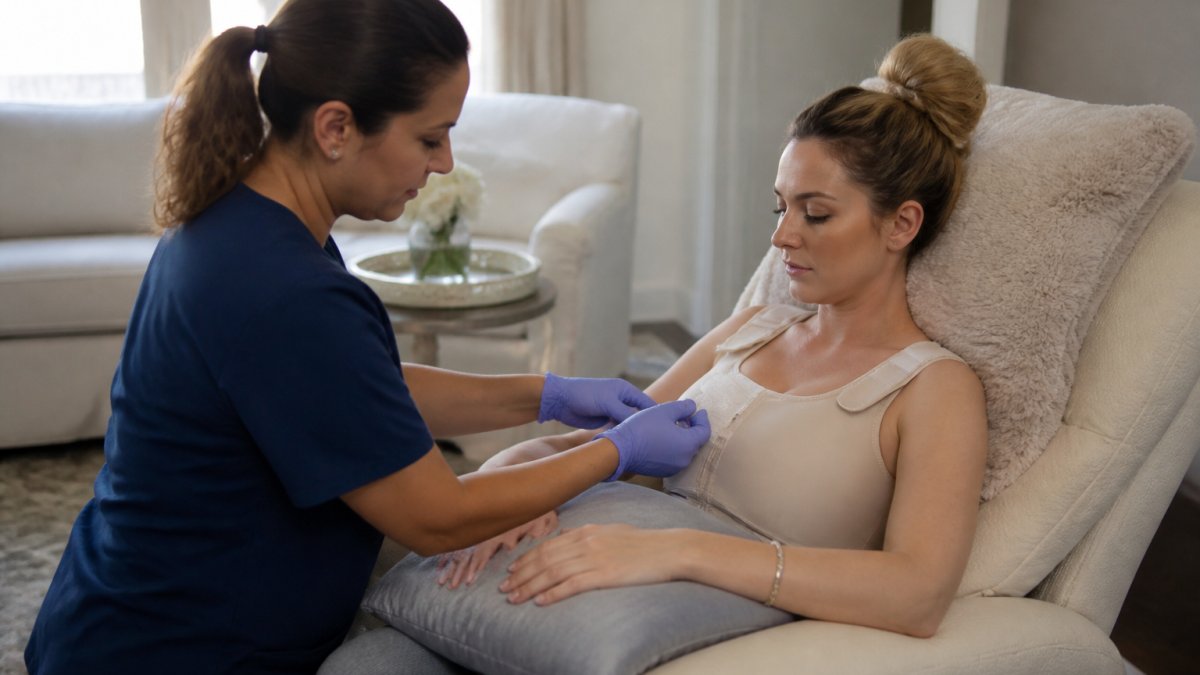
Your caregiver should understand post op care plastic surgery specifically, what normal looks like versus what warrants calling the surgeon.
At Better U Recovery, our BLS/ACLS certified nursing staff provides exactly this level of specialized support.
If you’re managing recovery alone, arrange for someone to check on you multiple times daily during the first week.
Activity Restrictions and Gradual Return to Normal Activities
Activity restrictions during early recovery aren’t punitive, they’re essential for proper healing. Pushing too hard too fast is the most common reason recovery takes longer or complications develop, so follow your surgeon’s specific guidelines precisely.
Most surgeons recommend complete rest for the first 24-48 hours, with light walking around your home beginning around day three as tolerated.
The timeline for returning to normal activities varies dramatically by procedure, some allow light activity by week two, others require six weeks or more of restrictions. Your surgeon’s instructions are customized to your surgery and healing response.
Increase activity only when your surgeon clears it. A common pattern is walking duration increasing weekly, five minutes day three, ten minutes day five, fifteen minutes by day ten.
Red Flags: When to Contact Your Surgeon Immediately
Knowing which post-operative symptoms warrant immediate attention prevents minor issues from becoming serious complications.
Don’t wait to see if symptoms resolve, post-operative complications respond best to early intervention. Your surgeon would rather hear about a minor concern than have you wait and risk a serious problem developing.
Minor concerns, slight oozing, small bruises, mild swelling, are normal. Increasing or worsening symptoms are the signal to call. When in doubt, call. Your surgeon’s office expects post-operative questions and has protocols for assessing concerns over the phone.
Nutrition, Hydration, and Supporting Your Healing
Your body’s healing process is metabolically intensive. Proper nutrition and hydration directly support tissue repair and immune function.
Hydration is your first priority.
Protein supports tissue repair, so include it at every meal and snack, eggs, Greek yogurt, chicken, fish, beans, nuts.
Constipation is common after surgery, often caused by pain medications and reduced activity. Prevent it with fiber-rich foods, hydration, and gentle movement.
If your appetite is reduced, eat smaller, frequent meals. Nausea from anesthesia or medications is common the first few days, ginger tea, crackers, and bland foods often help.
Recovering well from cosmetic surgery requires structured support, clear expectations, and professional guidance when concerns arise. Start your recovery with confidence, reach out to Better U Recovery to learn how our specialized nursing care can support your optimal healing.
Frequently Asked Questions
What should I expect during the first 24 hours after plastic surgery?
The first 24 hours after post op care for plastic surgery involve managing pain with prescribed medication, keeping dressings clean and dry, and resting with your head elevated. You may experience swelling, bruising, and grogginess from anesthesia. Most patients use cold compresses to reduce swelling and avoid any strenuous activity. Follow your surgeon’s discharge instructions closely and contact them if you experience excessive bleeding, severe pain, or signs of infection.
How do I care for my incisions after plastic surgery?
Proper plastic surgery wound care means keeping incisions clean, dry, and protected. Follow your surgeon’s specific dressing change instructions, which typically involve gently cleaning the area and applying fresh bandages. Avoid submerging incisions in water until cleared by your surgeon. Watch for signs of infection such as increased redness, warmth, pus, or foul odor. Keep compression garments in place as directed to support healing and reduce swelling.
What should I have at home before my plastic surgery?
Before your procedure, stock your home with pain medication, antibiotic ointment, fresh gauze, and extra pillows for proper sleep positioning. Have easy-to-prepare meals, electrolyte drinks, and plenty of water available. Arrange your bedroom with a comfortable recovery area away from stairs. Prepare loose, comfortable clothing that won’t irritate incisions. Have entertainment options nearby and ensure your phone, chargers, and medications are within arm’s reach to minimize movement during early recovery.
How long does recovery take after plastic surgery?
Recovery timelines vary by procedure type and individual healing. Most patients experience the most significant swelling and bruising during the first 2-3 weeks. Initial recovery typically lasts 1-2 weeks before returning to light activities, while full recovery and final results may take 6-12 weeks or longer. Your plastic surgery recovery timeline depends on the extent of your procedure, your age, overall health, and how well you follow post op care instructions. Your surgeon will provide a specific timeline based on your procedure.
Do I really need round-the-clock nursing care, or can I manage recovery on my own?
While some patients manage recovery independently, round-the-clock nursing support significantly reduces complications and provides immediate assistance if problems arise at 3 AM or any time. Professional post-surgery caregiver support ensures proper medication management, wound monitoring, vital sign tracking, and early detection of infection or bleeding. For busy professionals or those living alone, specialized nursing care offers peace of mind and prevents unnecessary emergency room visits. Your recovery needs depend on your procedure complexity, support system, and comfort level.
When can I shower after plastic surgery?
Showering timing depends on your surgeon’s specific instructions and dressing type. Most patients wait 24-48 hours before their first shower, and many need to keep incisions dry for 7-10 days or longer. When cleared to shower, keep water lukewarm and avoid direct water spray on incisions. Pat the area dry gently rather than rubbing. Some surgeons recommend waterproof bandages or recommend waiting until stitches are removed. Always follow your surgeon’s post op care instructions regarding bathing and incision exposure.

Sorry, the comment form is closed at this time.