
19 Oct Is Post-Op Nursing Care Worth It? A Real Cost-Benefit Analysis
Table of Contents
- What Does a Post-Op Nurse Do
- How Long Do You Need a Nurse After Surgery
- Post-Op Nurse vs Caregiver: Key Differences
- Cost of Private Nursing Care After Surgery
- Real Benefits of Professional Post-Op Nursing Care
- When Post-Op Nursing Care Is Worth the Investment
- How to Evaluate Post-Op Nursing Care Providers
- Conclusion
- Frequently Asked Questions
Last Updated: October 19, 2026
What Does a Post-Op Nurse Do
A post-op nurse provides specialized medical care during the critical recovery period after surgery. This goes far beyond basic assistance, it involves continuous monitoring, medication management, wound care, and early detection of complications that could otherwise land you back in the emergency room. (Source: the Centers for Medicare & Medicaid Services (CMS) data)
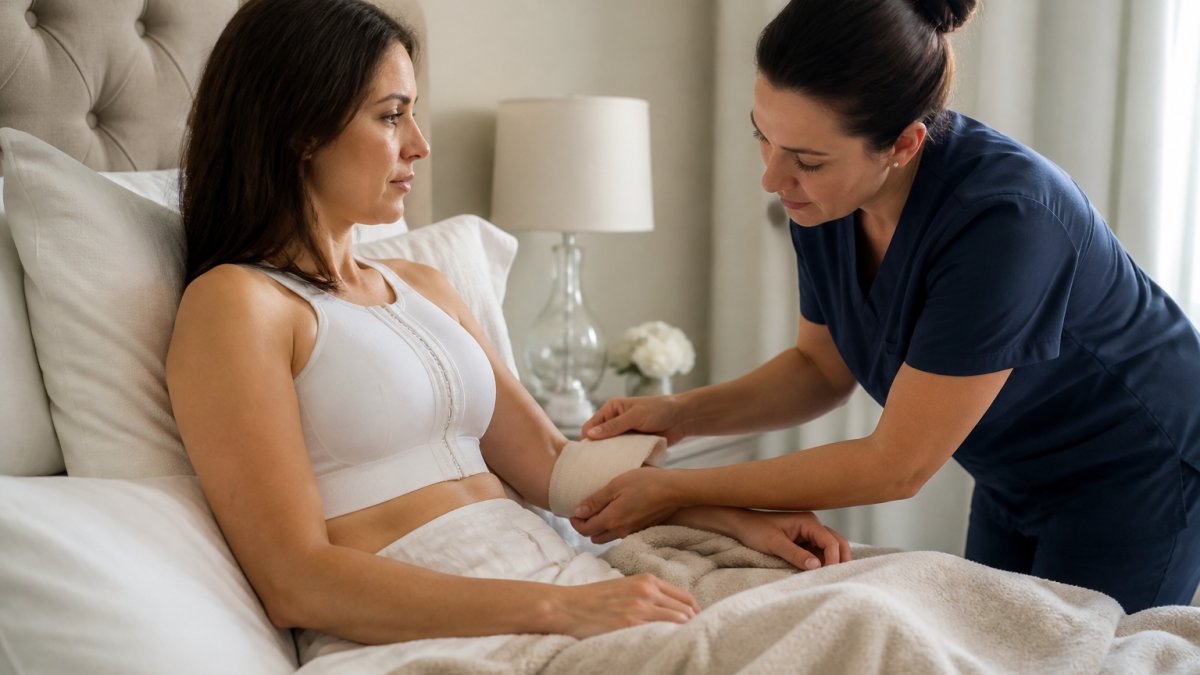
The role spans multiple responsibilities. Post-op nurses track vital signs, manage pain medication, monitor surgical wounds for infection, help with mobility and transfers, assist with daily activities like bathing and meal preparation, and ensure you’re following discharge instructions. They’re trained to recognize subtle warning signs, changes in temperature, swelling patterns, or unusual drainage, that family caregivers might miss.
For cosmetic surgery recovery specifically, post-op nursing care includes IV hydration support, compression garment management, and positioning guidance to protect surgical results. Better U Recovery’s BLS/ACLS certified nurses bring specialized knowledge of post-op protocols, which matters because recovery complications often emerge during the first 48 to 72 hours when professional oversight is most critical.
The difference between a nurse and a family member comes down to training and liability. A nurse can administer medications, recognize infection patterns, and intervene before a situation becomes an emergency. They understand post-operative physiology, why certain symptoms are normal and which ones demand immediate attention.
How Long Do You Need a Nurse After Surgery
The duration of post-op nursing care depends on the type and complexity of your surgery, your overall health, and your home support system. Most patients benefit from nursing support for the first one to two weeks following surgery, though some need longer depending on their specific situation.
The most critical period is the first 72 hours after surgery. This is when infection risk peaks, pain management is most challenging, and complications are most likely to emerge. Many surgeons recommend having professional nursing support during this window at minimum.
For cosmetic procedures, the typical timeline extends two to four weeks. During the first week, you may need round-the-clock or near-constant support. By week two, many patients transition to daytime visits or part-time support as they regain independence. The actual duration hinges on how quickly you can safely manage medications, wound care, and mobility on your own.
Your surgeon’s discharge instructions should specify recommended follow-up care. If you live alone, work a demanding job, or have limited family support, professional nursing care often extends longer than if you have a dedicated caregiver at home. The goal isn’t indefinite dependency, it’s bridging the gap between surgery and genuine independence.
Better U Recovery structures care plans around your specific recovery trajectory, scaling support up or down as your needs change rather than forcing you into a fixed package.
Post-Op Nurse vs Caregiver: Key Differences
The choice between hiring a post-op nurse and relying on a family caregiver involves real trade-offs. Both approaches work for some patients, but they’re not interchangeable.
A family caregiver, spouse, adult child, close friend, provides emotional support, knows your preferences, and can help with basic tasks like meal prep and transportation. They’re invested in your wellbeing and usually available for extended periods. The limitation is medical knowledge.
A post-op nurse brings clinical expertise. They can assess wound healing, identify infection risk before it becomes visible, manage complex medication schedules, perform sterile dressing changes, and respond appropriately to unexpected symptoms. They operate within a professional scope of practice and carry liability insurance. The trade-off is that they don’t know your personal history and preferences the way family does.
The practical middle ground: many patients benefit from combining both. A professional nurse handles medical oversight during the highest-risk period, while family provides daily support and companionship. This isn’t redundant, it’s layered safety.
For elective cosmetic surgery specifically, professional post-op nursing care reduces anxiety significantly. You’re not asking your sister to watch for signs of infection or your spouse to make judgment calls about whether symptoms warrant emergency care. The nurse takes that responsibility, which often translates to better sleep and faster psychological recovery for both patient and family.
| Aspect | Post-Op Nurse | Family Caregiver |
|---|---|---|
| Medical expertise | High, trained to recognize complications | Limited, follows instructions only |
| Availability | Scheduled, professional boundaries | Often extended, emotionally invested |
| Cost | Out-of-pocket or insurance-dependent | Usually free |
| Liability | Professional coverage | Personal liability if something goes wrong |
| Emotional support | Professional, compassionate but bounded | Deep, personal connection |
| Best for | Complex recovery, high complication risk, no family support | Basic assistance, emotional support, backup to professional care |
Cost of Private Nursing Care After Surgery
Post-op nursing care pricing depends on several factors: whether you need 24-hour coverage or daytime visits, the complexity of your medical needs, your geographic location, and the nurse’s experience level. Pricing varies significantly based on these variables.
For context, private-duty nursing services vary depending on the intensity of care required. Round-the-clock coverage costs more than part-time visits. Specialized post-op care for cosmetic surgery may command premium pricing due to the specific expertise required.
Insurance coverage is inconsistent. Medicare and many private insurance plans cover post-op nursing care when medically necessary and ordered by your physician, but “medically necessary” has a specific definition that doesn’t always include elective cosmetic surgery. You’ll need to contact your insurance provider to understand what your policy covers.
For patients paying out of pocket, the investment is substantial but finite. You’re typically looking at a defined recovery period, one to four weeks, rather than ongoing care. Many patients view this as insurance against complications that would cost far more if they landed you in the emergency room.
Better U Recovery provides custom care plans, which means pricing reflects your actual needs rather than a one-size-fits-all package. For specific pricing and payment options, contact the team directly for a consultation tailored to your surgery type and recovery requirements.
Real Benefits of Professional Post-Op Nursing Care
The concrete benefits of post-op nursing care extend beyond comfort, though comfort matters. The primary value lies in preventing complications and enabling faster, safer recovery.
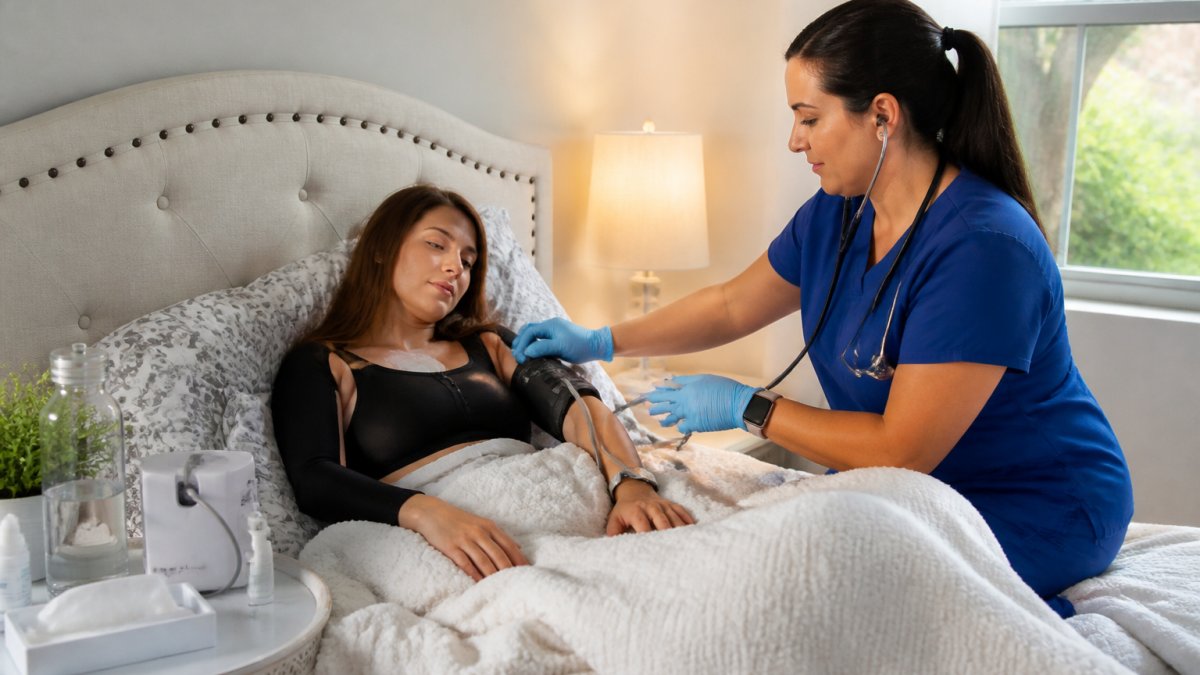
Early detection of infection is the biggest win. A nurse catches subtle signs, a slight temperature increase, unusual drainage patterns, or swelling that doesn’t match expected progression, before they become emergencies.
Pain management improves dramatically with professional oversight. Nurses understand post-op pain patterns and can adjust medication timing to keep you comfortable without over-medicating.
Proper wound care prevents scarring complications and infection. For cosmetic surgery, this directly impacts your final aesthetic results. (Source: the U.S. Department of Health and Human Services)
Safe mobility support prevents falls and re-injury. After surgery, your balance is compromised, pain limits movement, and medications affect coordination.
Medication management eliminates the confusion that leads to errors. A nurse tracks timing, dosage, and interactions, especially important when you’re on pain medication, antibiotics, and possibly other prescriptions simultaneously.
Reduced hospital readmission is the measurable outcome. Patients with professional post-op nursing support have lower readmission rates than those recovering alone or with family caregivers only.
Peace of mind has real value too. Knowing a trained professional is monitoring you allows you to rest, which accelerates healing. Your family stops worrying about whether they’re missing warning signs.
When Post-Op Nursing Care Is Worth the Investment
Post-op nursing care makes the most sense in specific situations where the benefits clearly outweigh the cost.
You should strongly consider professional nursing care if you live alone. Without a built-in support system, managing post-op recovery solo is genuinely risky.
Complex surgeries warrant professional care. The more extensive the procedure, the higher the complication risk and the more medical knowledge recovery requires. Cosmetic procedures involving multiple areas, long surgical times, or significant tissue manipulation fall into this category.
If you have underlying health conditions, diabetes, hypertension, immune system issues, or chronic pain, professional oversight adds real safety. These conditions complicate recovery and increase complication risk. A nurse understands how your existing conditions interact with post-op healing.
Busy professionals often benefit from post-op nursing care because recovery requires genuine rest.
You should consider it if your family caregivers are overwhelmed. If your spouse is managing your recovery while working full-time and caring for kids, professional support reduces their burden significantly. This is especially true for the first week when needs are most intensive.
Post-op nursing care is less critical if you have a dedicated family caregiver with flexibility, strong medical knowledge, and the ability to reach your surgeon immediately if problems emerge. In this scenario, you might skip professional nursing or use it selectively for the highest-risk first 72 hours.
How to Evaluate Post-Op Nursing Care Providers
Choosing a post-op nursing care provider requires checking credentials, understanding their experience, and assessing whether they understand your specific surgery type.
Start with certification verification. Ask whether nurses are BLS and ACLS certified, these certifications indicate current training in emergency response and cardiac care. Ask when certifications expire and confirm they’re current.
Experience in post-op care matters more than general nursing experience. A nurse with ICU background has different skills than one trained in post-operative recovery.
Ask about their protocol for complications. What’s their process if they identify signs of infection? Can they contact your surgeon directly? Do they know when to recommend emergency care versus managing symptoms?
Verify their understanding of your surgeon’s specific discharge instructions. Every surgeon has preferences about wound care, activity restrictions, and medication timing.
Check references and patient feedback when available. Ask the provider for contact information from previous patients (with privacy considerations). Ask what patients appreciated most and what surprised them about the recovery experience.
Discuss availability and responsiveness. Will they be present during the hours you need them most? How quickly can they respond if you have questions between visits?
Clarify the scope of care. What specific tasks will they handle? What falls outside their scope? Are they comfortable with IV support, wound care, medication administration, or do they offer basic assistance only?
Conclusion
Is post-op nursing care worth it? The answer depends on your specific situation, but for most patients undergoing elective cosmetic surgery without strong home support, professional post-op nursing care represents genuine insurance against complications and a significant quality-of-life improvement during recovery.
The real value isn’t luxury, it’s safety, early complication detection, and the ability to rest properly during the period when your body needs it most. Better U Recovery provides exactly this: round-the-clock 1:1 nursing care from BLS/ACLS certified nurses who understand cosmetic surgery recovery, custom care plans aligned with your surgeon’s protocols, and safe transportation from surgery to ensure your optimal health and peace of mind. The American Nurses Association emphasizes that professional nursing oversight during high-risk recovery periods significantly improves outcomes and patient safety. If you’re investing in a surgical procedure, protecting that investment with professional post-op nursing care is often the most important decision you’ll make. Get started with Better U Recovery and experience the difference personalized, expert nursing support makes in your recovery.
Frequently Asked Questions
Is post-op nursing care worth it for minor cosmetic procedures?
Whether post-op nursing care is worth it depends on your procedure’s complexity, your support system, and your comfort with managing recovery alone. Minor procedures may not require 24/7 professional care, but even small surgeries carry infection risks and medication management needs. A nurse can prevent complications that lead to emergency room visits, which cost far more than preventive care. Consider your work schedule, living situation, and ability to monitor wound healing and medication compliance when deciding.
What does a post-op nurse do compared to a regular caregiver?
A post-op nurse provides skilled medical care: wound assessment, dressing changes, infection monitoring, pain management, IV hydration, medication administration, and complication detection. A caregiver offers personal assistance with bathing, meals, and mobility but lacks clinical training to recognize infection signs, manage medications, or handle medical emergencies. Nurses hold BLS/ACLS certification and understand post-surgical complications. If your recovery involves complex wound care or medication management, a skilled nurse offers protection a family member cannot provide.
How long do you typically need a nurse after surgery?
Recovery duration depends on your procedure type and healing progress. Most post-operative care spans 1-4 weeks, with the highest-risk period in the first 7-10 days after surgery. Some patients need intensive support initially, then transition to periodic check-ins or family care as healing progresses. Your surgeon’s discharge instructions and your specific recovery needs determine the timeline. Many patients benefit from flexible care arrangements: intensive nursing early, then scaling back as mobility and independence improve.
What should you ask before hiring a private post-op nurse?
Verify BLS/ACLS certification and relevant clinical experience (trauma, ICU, post-operative units). Ask about their experience with your specific procedure type and whether they understand cosmetic surgery recovery protocols. Confirm their availability during your highest-risk recovery period, their emergency response plan, and how they coordinate with your surgeon. Request references from previous patients. Clarify what services are included: wound care, medication management, transportation, meal preparation, and how they handle complications or emergency situations.
Sorry, the comment form is closed at this time.